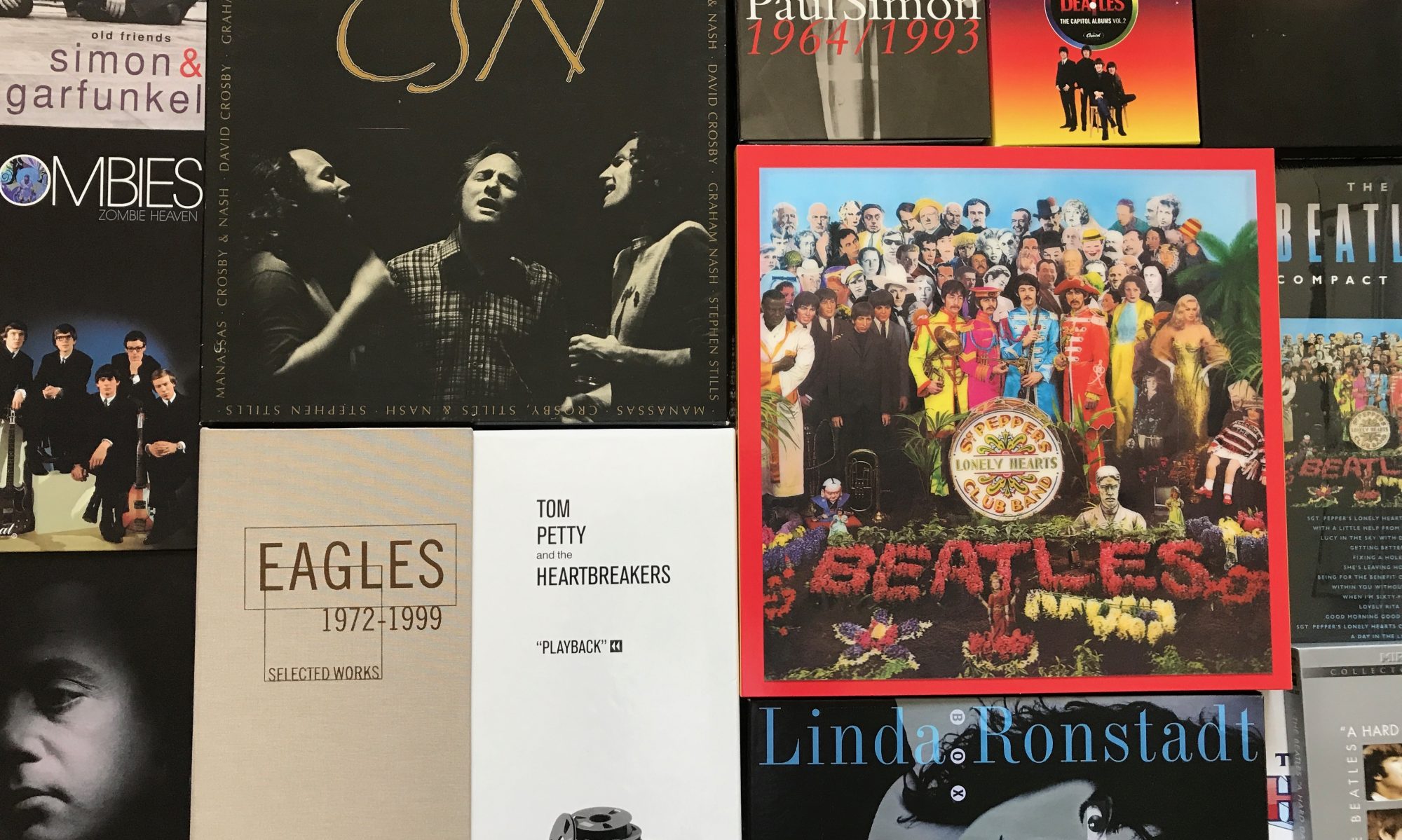

In order for The Beatles to become the phenomenon they were, a lot of things had to go right. One of the very most important was that it was George Martin who signed them to a recording contract, and became their producer.
In 2026, George Martin would have been 100 years old (he died at 90). Martin was only 15 years older than Ringo Starr and 17 years older than Paul McCartney. The age gap between The Beatles and George Martin was the perfect amount to give him the experience and knowledge the group respected, but not so much that he was too old to identify with their youthful talent and musical growth.
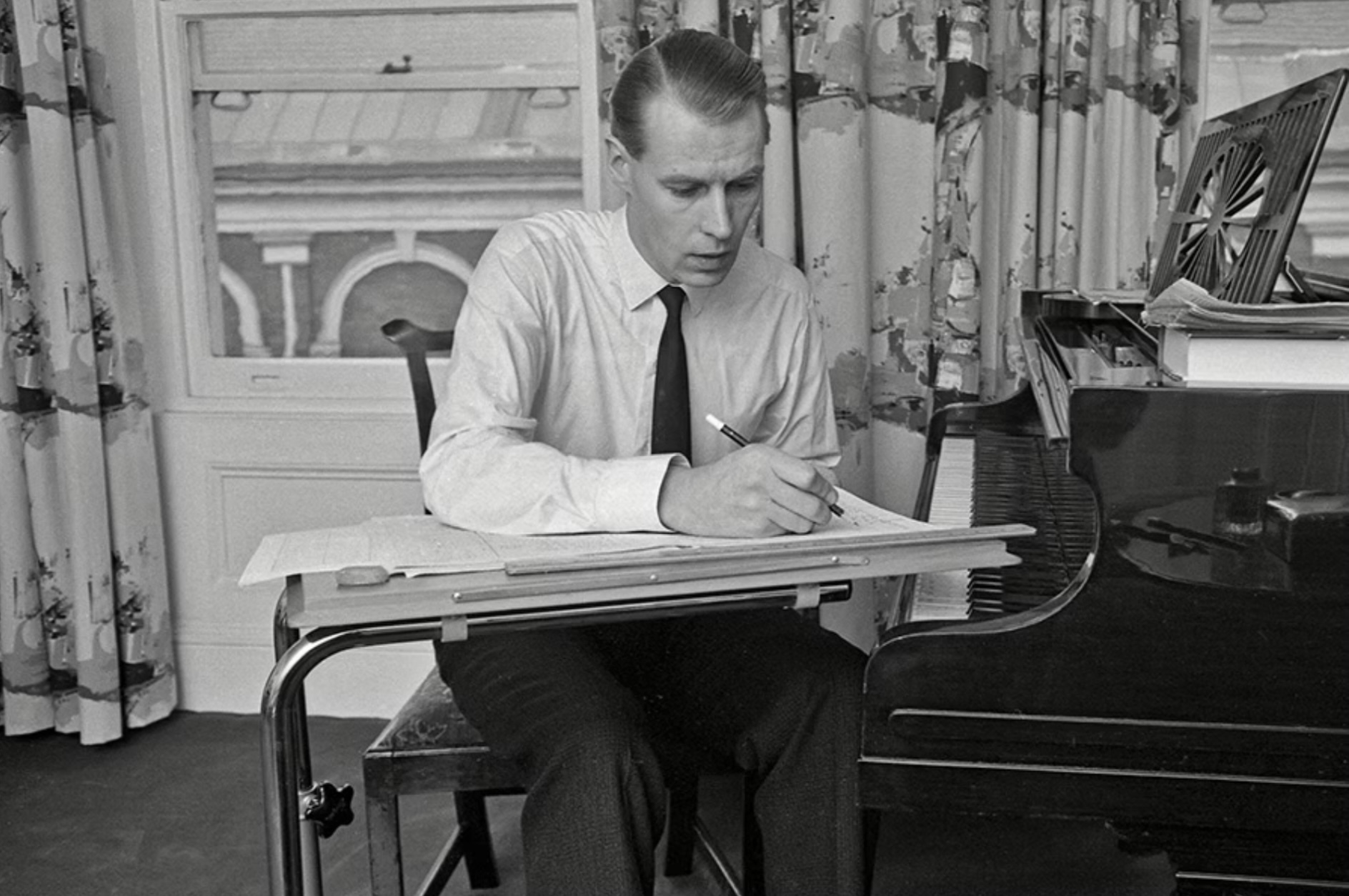
George Martin was not only an experienced producer, he was a musician (piano & oboe), an arranger, and an orchestral conductor. All of his musical skills were needed as the young Beatles started their professional songwriting and recording careers.
Early on, Martin would help them determine which songs had the greatest potential, how they could arrange the verses and choruses, and he helped fine tune their harmonies. If you heard a piano or organ on an early Beatles song, it was played by George Martin. In fact, except for a drum part on one version of “Love Me Do”, Martin was the only musician besides The Beatles on any of their recordings until the Help album in 1965.
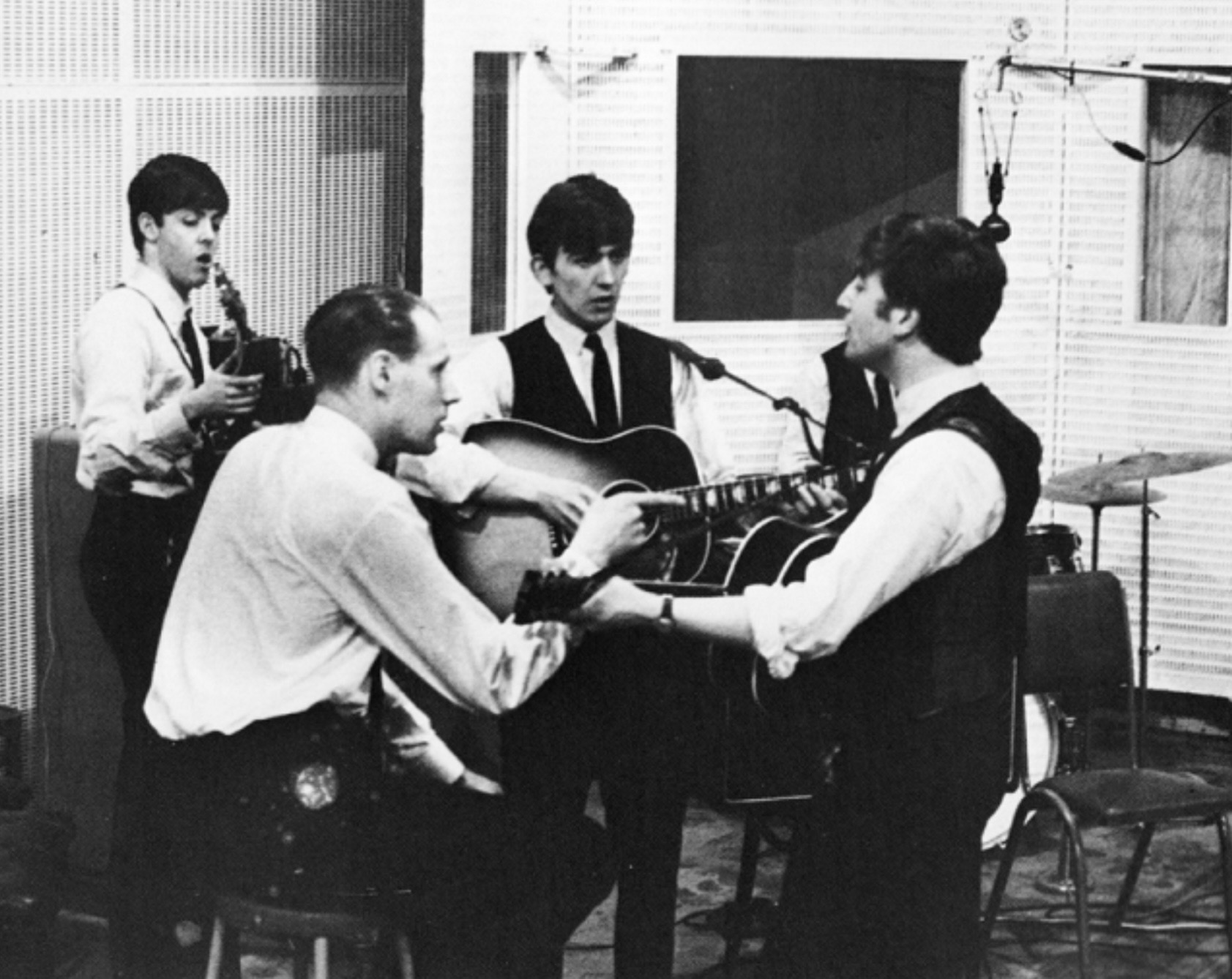
John Lennon, Paul McCartney, and George Harrison normally presented their newly written songs to George Martin as he sat on a stool in the studio while they played acoustic guitars and sang. Then arranging and rehearsals began until the songs were ready for the start of the recording process.

As The Beatles’ songs became more sophisticated, George Martin’s skill as an orchestral arranger became very important. The first time was on the Help album when John wanted a flute on “You’ve Got To Hide Your Love Away”, and then later on the same album when George suggested a string quartet for “Yesterday”. After that, various sizes of orchestral sections or even full orchestras appeared on Beatles recordings. Those included such diverse songs as “Eleanor Rigby”, “Sgt. Pepper”, “A Day In The Life”, “Martha My Dear”, “I Am The Walrus”, “Something”, “Carry That Weight”, and so many more.
There are a couple reasons for the timing of this article. I just finished reading my fourth book about George Martin…

…and in celebration of Martin’s work, a special collection of his orchestral scores is being released.

Obviously such a collection is aimed mostly at musicians and composers who can appreciate the details of George Martin’s skills.
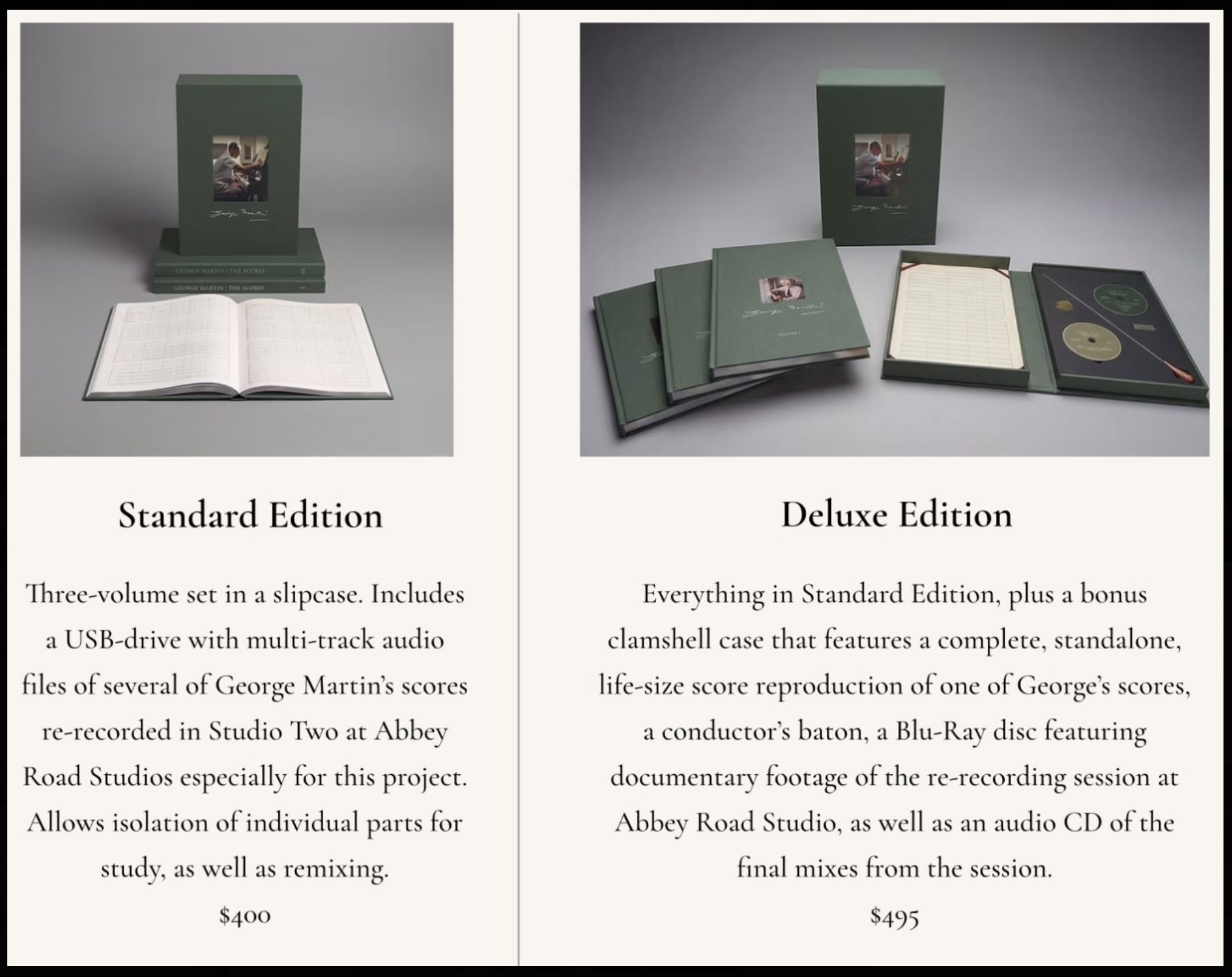
If you want the deluxe version with a sheet George signed when the project was first proposed, the price goes up to $3,000. I love how they used a Mid-Century Modern display for the presentation.
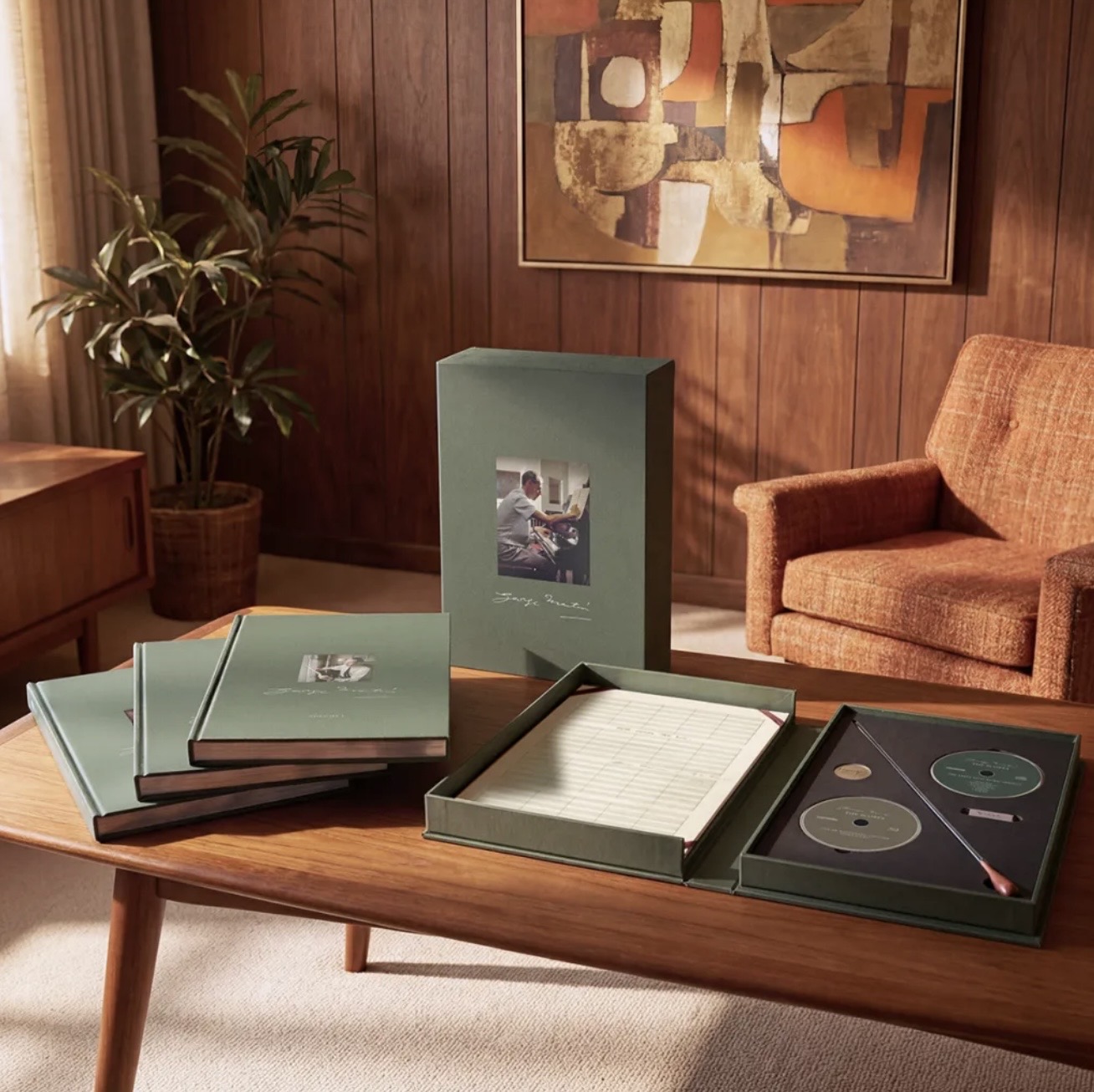
The collection of scores was released in April, 2026.

The best way to enjoy and honor George Martin’s legacy is to pay attention to all those orchestral touches in Beatles songs. You can even hear some of his arrangements isolated in the Anthology series, or as extra tracks in the 50th Anniversary box sets.
Extra: So what was George Martin’s biggest regret about a Beatles album? He said his favorite single by The Beatles is “Penny Lane” with “Strawberry Fields Forever”, but there was one problem. During The Beatles Anthology video, he said… “The only reason ‘Strawberry Fields Forever’ and ‘Penny Lane’ didn’t go onto the new album (Sgt. Pepper) was a feeling that if we issued a single, it shouldn’t go onto an album. That was a crazy idea, and I’m afraid I was partly responsible. It was a smashing single, but it was also a dreadful mistake.”
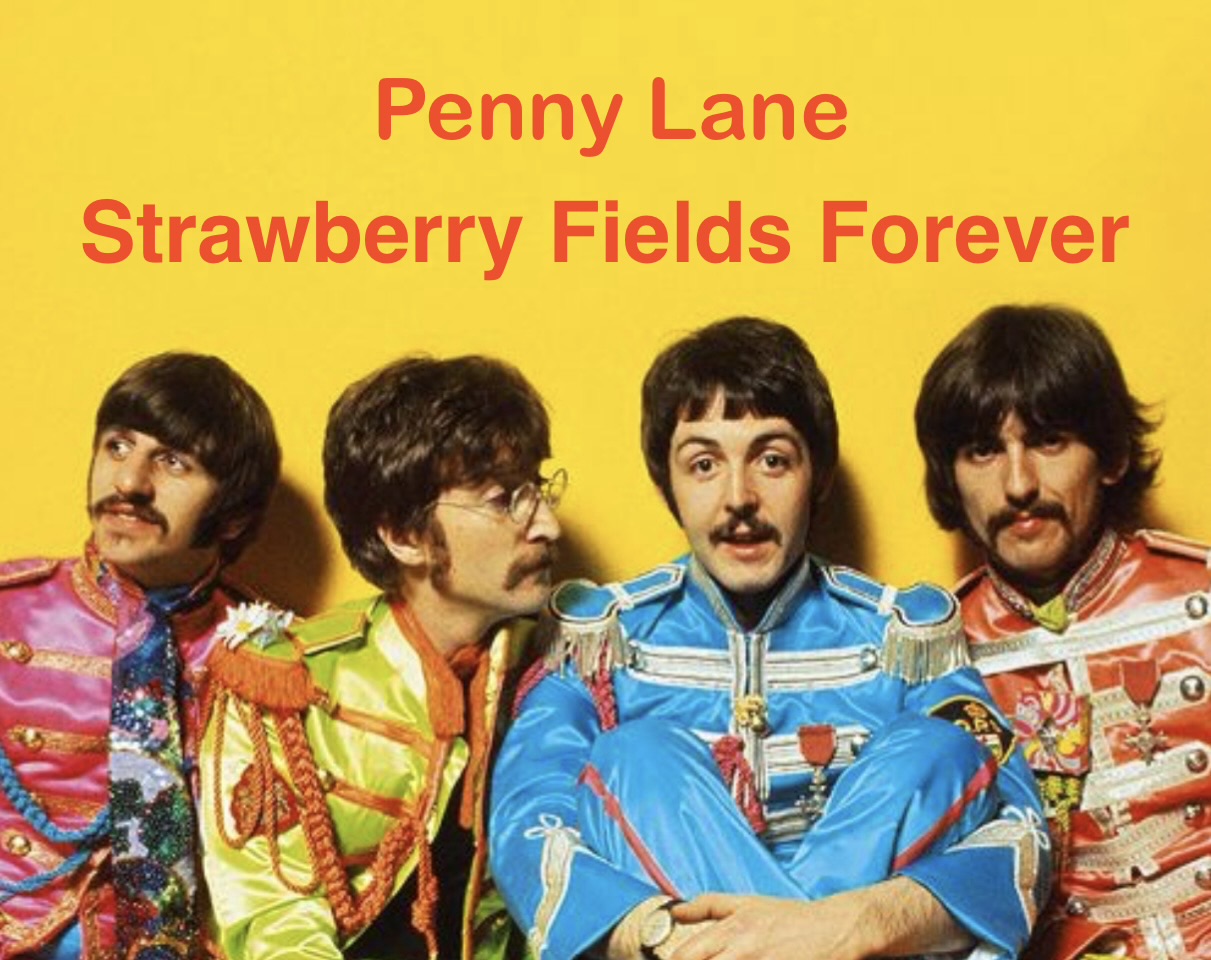
George Martin would probably be happy that we can now drop the two songs into the middle of our Sgt. Pepper playlists. “Penny Lane” sounds perfect after “Being For The Benefit Of Mr. Kite”, which was the last song on side one. “Strawberry Fields Forever” can then lead into “Within You, Without You” at the start of side two. That way the original two sides of the album remain intact. Even a great album like Sgt. Pepper would be elevated with those two amazing recordings.
In 1967 we just had vinyl records. They only held 22:30 minutes of time per side for best audio quality. Here’s the track list for Sgt. Pepper.
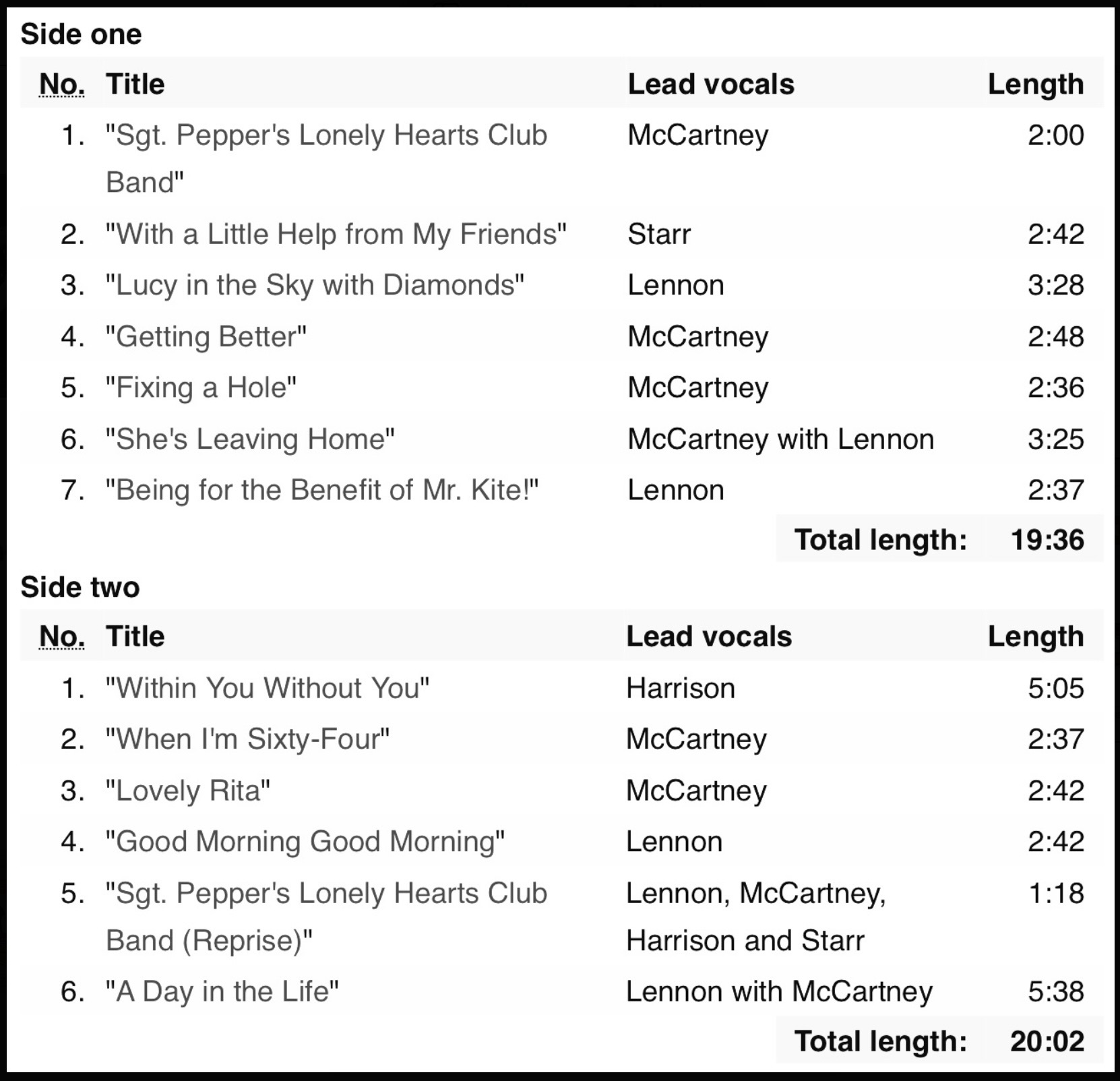
”Penny Lane” 3:03 could have been squeezed onto side one, with just a slight bit of early fading of song endings. “Strawberry Fields Forever” 4:07 probably would have had to replace “Within You Without You”, which is the track that least fits the overall sound of the album. George Martin mentioned that too. He said the song was placed first on Side 2, so when fans put on that side of the record, they could skip “Within You Without You” by placing the needle at the start of the second track. Although it would have meant George Harrison wouldn’t have had a song on Sgt. Pepper, “Within You Without You” would actually have sounded more at home on Magical Mystery Tour or The White Album.
Very special. Thanks for the information. He must have been quite the guy.
I’ll adjust my Sgt Pepper’s playlist with your suggestion, I think it will be excellent.
I’ll have to see if I can find those last two books about Martin. I also have a copy somewhere of his third book, “Making Music”, which encapsulated recording techniques and songwriting for the (then) newly-growing market of home studios. It includes essays from people like McCartney and Sting discussing their craft. It’s sadly been out of print for many years.
I would also like to mention a CD from 2017 by the Berlin Music Ensemble called “The Film Scores and Original Orchestral Music of George Martin”. It includes music from “Yellow Submarine”, “Live and Let Die” and pieces never before published.
Editor: Thanks for the info!